What Did 'Avatar' Do to Deserve This?
The long-awaited 'Avatar: The Last Airbender' movie is here—and can't escape the curse that has defined the entire franchise.
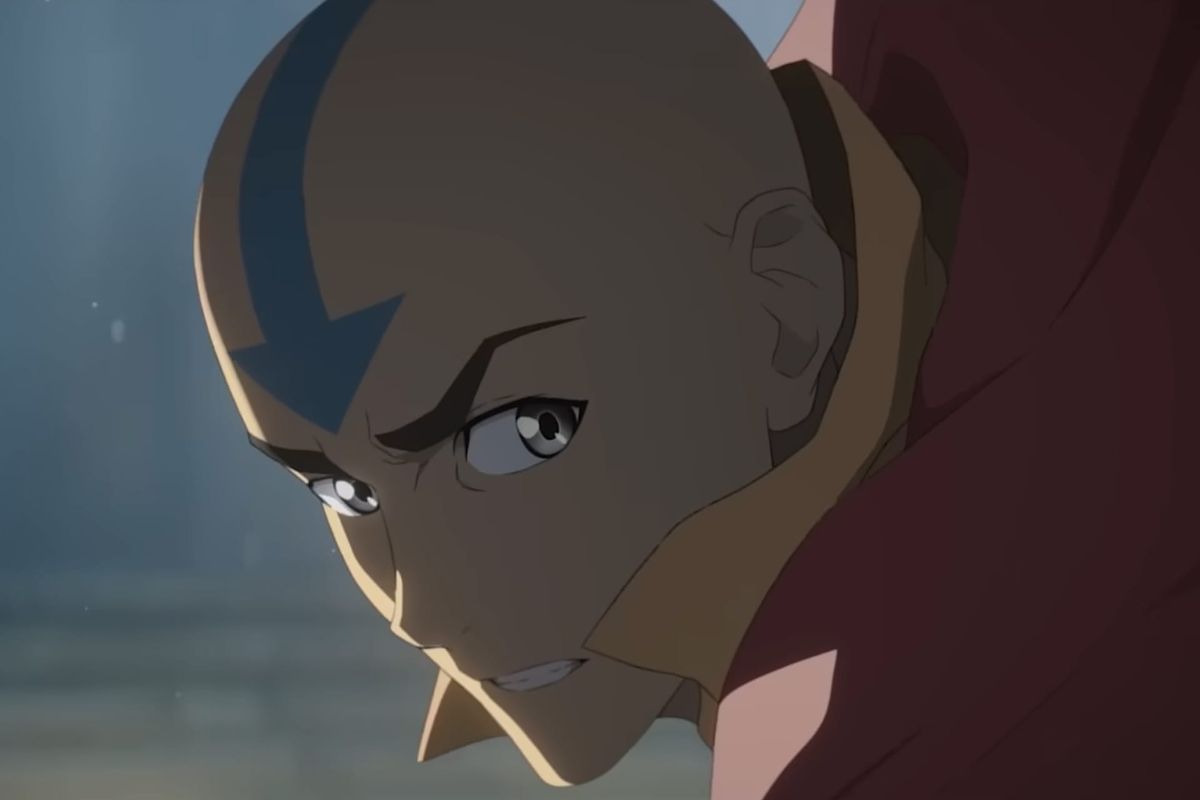
This post contains light spoilers for the new movie Avatar Aang: The Last Airbender.
Over the weekend I watched Avatar Aang: The Last Airbender, the new movie in the beloved Nickelodeon franchise that was meant to hit theaters, then wouldn't, then leaked online in its entirety, then would release three months early, and then did hit theaters (well, two of them on opposite sides of the US for six days, but still).
The fact that you can say all that about a singular project and have it a) be true and b) somehow actually be a pretty good functioning movie in spite of all of that is remarkable. But it's not new for Avatar, a franchise that has suffered slings and arrows of ignominies practically since it began.
So perhaps I shouldn't have been that surprised when I tabbed away from Paramount Plus after the credits rolled and immediately saw people on social media decrying the end of Avatar as they knew it, because it had been developed in part with the assistance of ChatGPT.
 Rick
Rick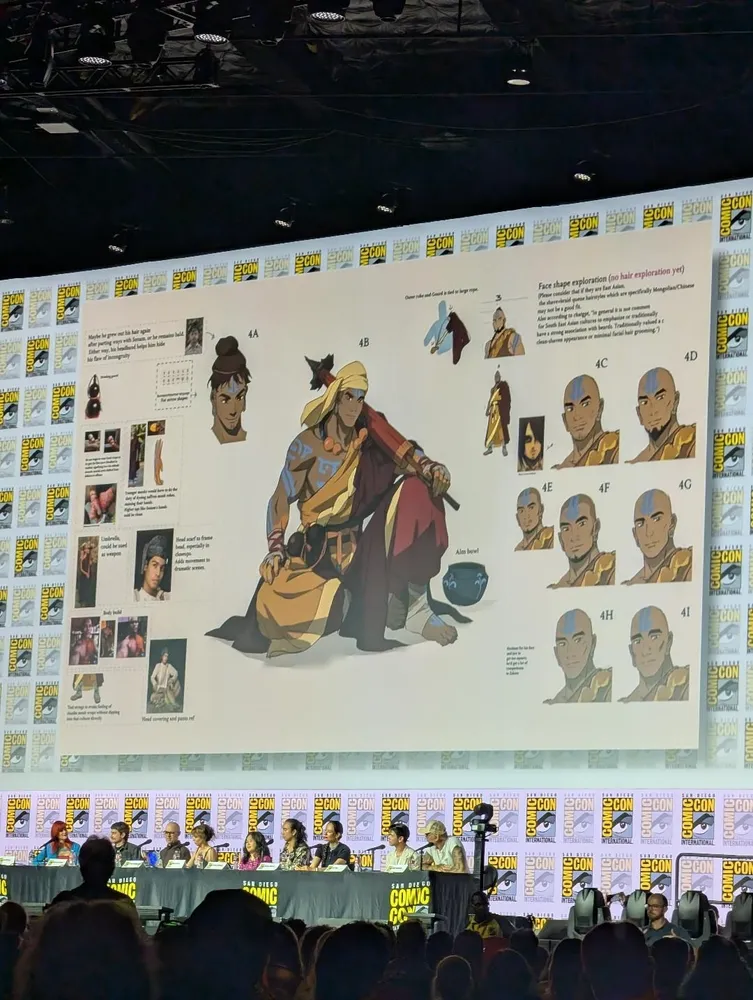
The controversy in question came from a picture taken at the film's San Diego Comic-Con panel, which showed a series of visual development images for the character of Tagah, Dave Bautista's airbending villain of the film. A paragraph describing hair explorations for the character concluded with the sentence, "Also according to chatgpt, 'In general it is not common for South East Asian [sic] cultures to emphasize or traditionally have a strong association with beards. Traditionally valued a clean-shaven appearance or minimal facial hair grooming.'