The Digital Boundaries of the New 'Ghost in the Shell'
Science Saru's spin on 'Ghost in the Shell' goes straight back to the manga—and celebrates the digital borders it frequently crosses.
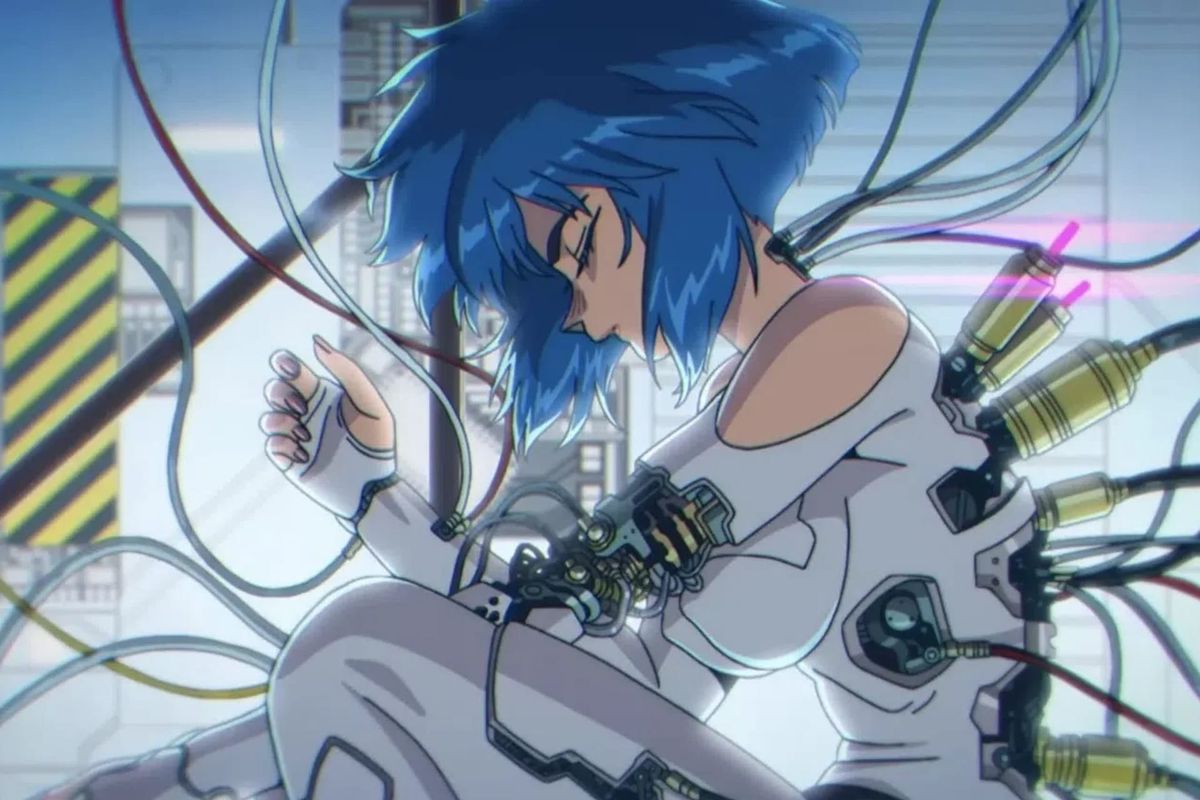
The new Ghost in the Shell anime begins airing this week and is transgressive by its own existence: it's the first time in years that an adaptation of Masamune Shirow's world has hewn closely to the original manga, after generations grew up on the hard edges and cyberpunk cool of Mamoru Oshii's seminal 1995 movie and its legion of continuations and spinoffs.
I was lucky enough to see the first two episodes of the series in theaters recently (it premieres on Prime Video tomorrow, July 7), and what struck me beyond animation studio Science Saru's now-trademark oozing style—and the series' surprisingly strict adherence to the flow and text of Shirow's manga—is how much its core relies on establishing a world defined not so much by its boundaries but by how much it plays with the idea of crossing those boundaries over and over.
Of course, the cyberpunk genre that Ghost in the Shell has carved its generational legacy out of thrives on this kind of transgressive attitude—cyberpunk is a story of rebellion against our norms, about transcending technology and flesh as those mediums intersect, of societies controlled by vast power and the ways that power can be subverted. But the new Ghost in the Shell takes all that and reminds us constantly of the ways it wants to play with the idea of boundaries and their limitations almost constantly.